
Australian icons

Did you know that there are almost 1,000 wattle – or acacia – species found in Australia? You can find ten of them in shrub form here at Whiteman Park, with Acacia sessilis and Acacia pulchella the most common, therefore the easiest to see for yourself. 

The acacias also offer critical habitat, forage and sustenance for many fauna species, especially to the many woodland birds and insects that call Whiteman Park home.

You can help protect our biodiversity too by planting these and other native plant species in your own backyard! Visit Rewild Perth for resources and guides on what and when to plant.

Acacia puchella prickly moses Whiteman Park flora WEB

Acacia pulchella

Prickly moses

The flat, fanning leaves and spines are the tell-tale features of the prickly moses. This shrub grows in an erect and sprawling fashion, from 50cm to 1.5m tall, and occasionally to 3m. It flowers yellow from June to October, and is a feature of Kambarang, the season of yellow flowers. It is another commonly sighted wattle, particularly in the Children's Forest and bushland to the north of Whiteman Drive West.

Acacia sessilis 01 WEB

Acacia sessilis

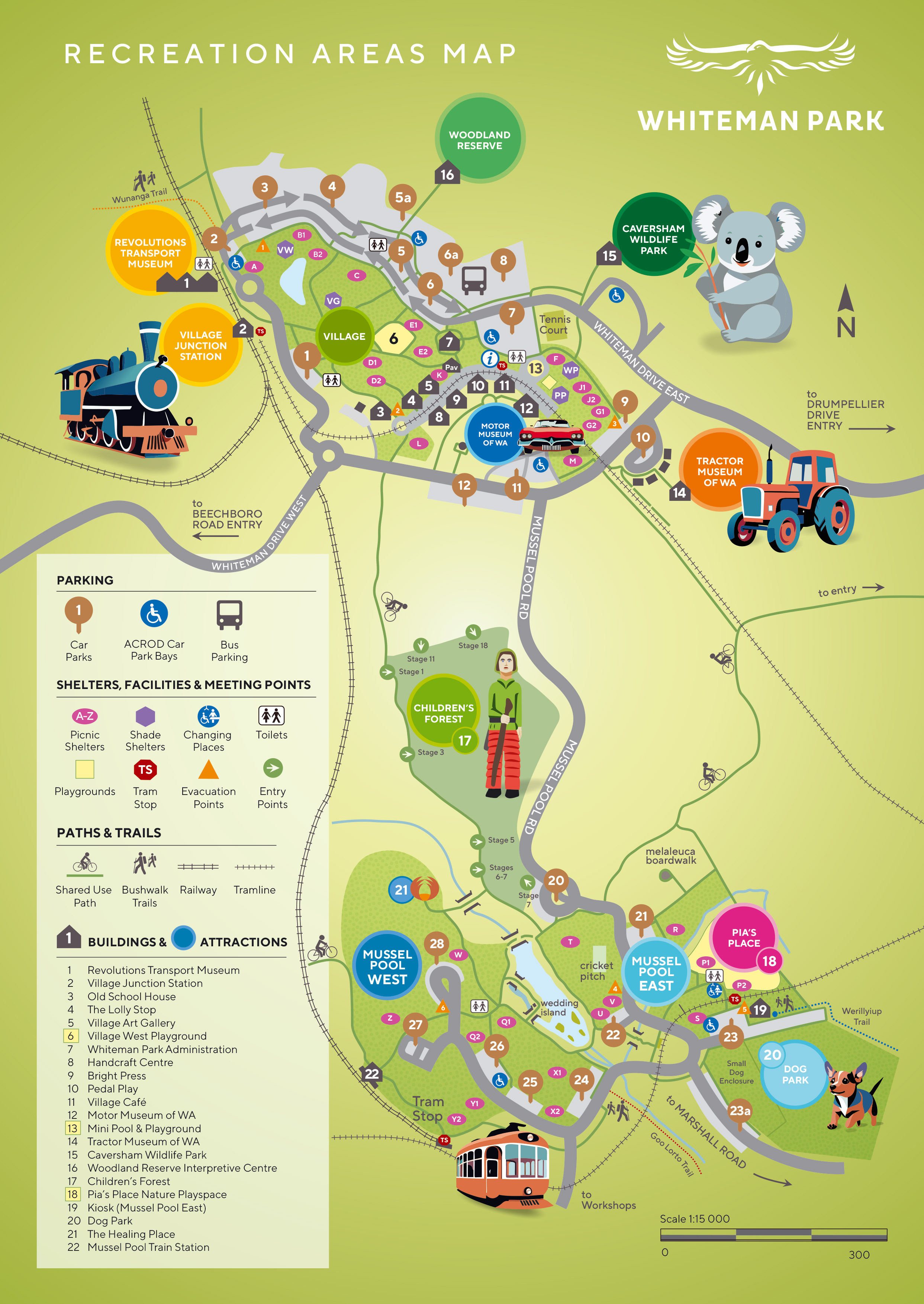
Driving in from Beechboro Road you will be greeted by plenty of these small straggling shrubs dotted along Whiteman Drive West during wildflower season. The fluffy yellow and pungent balls of this species bloom from July to October. This species grows from 30cm to 1m tall.

Whiteman Park acknowledges the Wadjuk Noongar people as the Traditional Custodians of the land on which we work, learn and play and acknowledge the significance of Korndiny Karla Boodja (Bennett Brook) at the heart of the Park.