



There are over 400 flowering plant species found within Whiteman Park, with many in flower year-round. Of course, flowers are most abundant in Western Australia's Spring wildflower season, when the Park bursts into colour!
Many of the wildflowers you can see in Whiteman Park are unique to Western Australia's south-west biodiversity hotspot.
Memorable wildflowers include the sprays of pink Swan River myrtle (Hypocalymma robustum) in late winter to early spring, the striking prickly moses (Acacia pulchella), with its masses of yellow fluffy ball-like flowers in September and October and the brilliant orange/yellow feather flowers of the Morrison bush (Verticordia nitens) which flowers in early summer, producing fields of swaying golden colour. Year-round flowering plants offer much needed sustenance for our pollinators: from bees and butterflies to moths and birds.
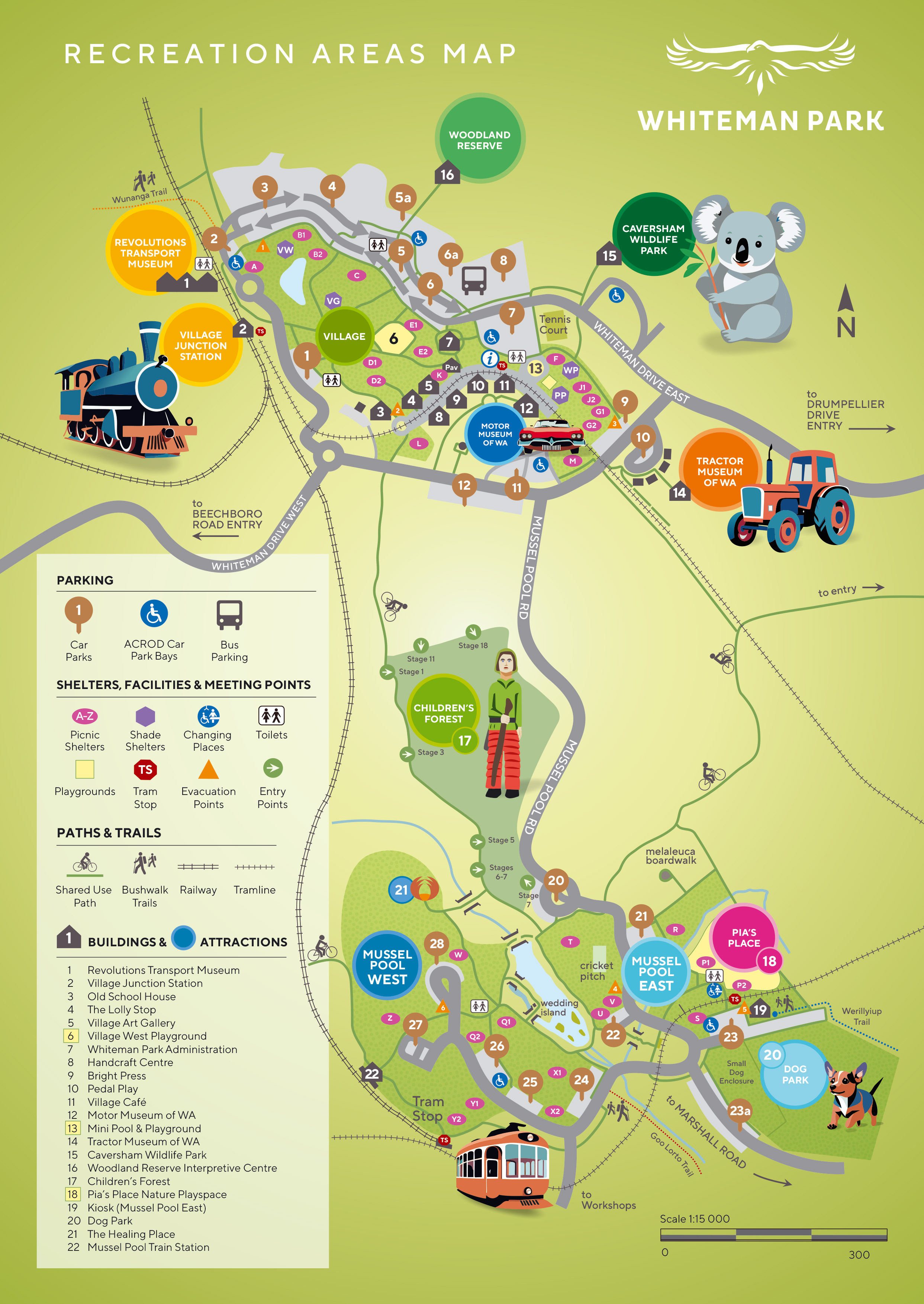
You don’t need to stray far to find most of these beauties, with the Children’s Forest, edges of the Mussel Pool recreation area and the lookout on Whiteman Drive West offering easy access and viewing for visitors. Further afield, the Wunanga Trail is peak wildflower viewing.
Just remember a few key things for their protection:
- Stick to the paths - this helps reduce the risk of dieback spread
- Take only photos - the wildflowers are key food for lots of birds and pollinating insects, so please don’t pick them. Furthermore, all flora, fauna and fungi on public land, like Whiteman Park are protected by law in Western Australia.
- Grab our Wildflowers booklet - pick up one of these handy pocket guides from the Visitor Information Centre to help you identify the more common flowering species within the Park.
Whether you are looking at the mighty shrubs to delicate herbs and dainty orchids, take a moment to enjoy the wildflowers of Whiteman Park.
Banner image: Swan River myrtle, Hypocalymma robustum, is a stunning shrub that can be seen around the Village recreation area and along the Wunanga bush trail.