



One of the joys of visiting Whiteman Park is the chance to encounter some of Western Australia’s most iconic native animals.
This is all thanks to bushland areas that are rich in biodiversity, bolstered by a robust habitat restoration program improving old pastureland over the last 40 years.
Now, whether you're exploring the Children’s Forest, wandering along the bush trails or settling in for a picnic, you can keep your eyes peeled for some of our resident wildlife.
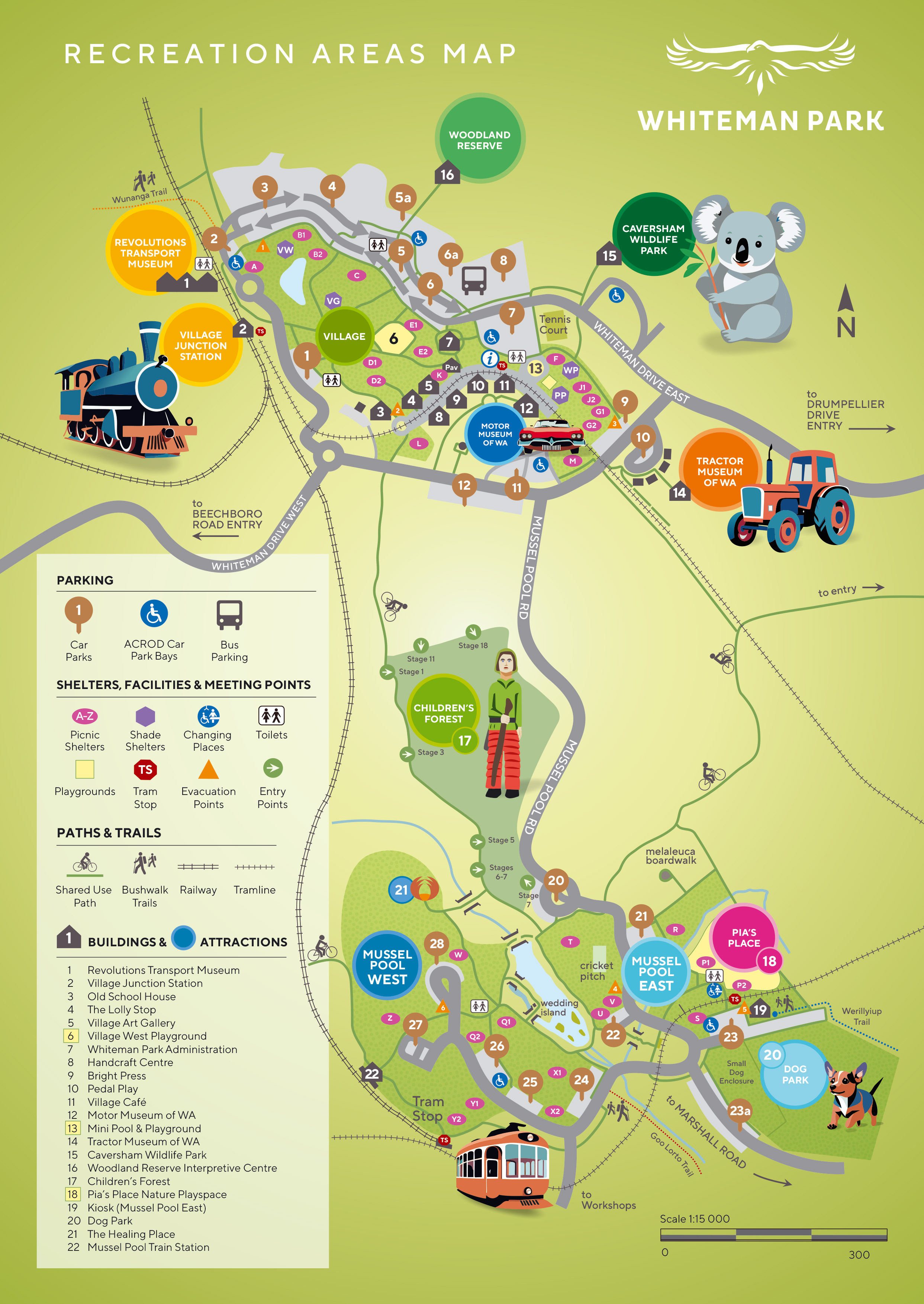
Here's a guide to seven of the most iconic animals you might spot, plus where and when you're most likely to see them out and about at Whiteman Park.


Wedge-tailed eagle
Majestic, powerful, and often…. right above your head!
So don’t forget to look up when you visit! You’ll can spy wedge-tailed eagles soaring high above the Village (our northern pair), circling near Horse Swamp, further south, and out over the Lookout on Whiteman Drive West.
They're often seen riding thermals or perched in tall trees surveying their territory. We love them so much that not only do they feature as our logo, we even created a life size wedge-tailed eagle’s nest made of steel in the Children’s Forest!
Photo courtesy of P. Cadman



Western grey kangaroo
It doesn’t get more Aussie than a roo! Our Western grey kangaroos are an obvious choice and easy to spot, especially in the cooler hours of late afternoon.
Head to the grassy areas near the Village and the Revolutions forecourt and you’re in prime kangaroo territory! If you’re taking a ride on the Bennett Brook Railway through the bushlands; look out for lazy roos under the trees in the late afternoon.


Bobtail
These slow-moving legends love to bask on warm paths from spring through to when the weather cools off again. You’ll often spot a bobtail - or two - shuffling along the footpath between the Village and Mussel Pool, especially near the Children’s Forest in the summer months.
Give them some space if you cross paths; they’ve got places to be, just very slowly. 😉


Splendid fairy wren
Bright blue and full of personality, these little birds are a delight to spot. They flit through the undergrowth in the Children’s Forest, around the lookout on Whiteman Drive West.
You can even spot them in the gardens near Bright Press and darting across your path in Caversham Wildlife Park, if you're lucky. If you see a flash of blue dart past you, that’s probably them saying hi!
Photo courtesy of P. Melling


Quenda
These shy foragers rustle through leaves in the quieter corners of the Park. Look out for them around Pia’s Place, or on the western side of Mussel Pool. Early mornings and late afternoons are best for sightings, but there are a few who brave full daylight and their lopping gait is a delight to see.
Want a guaranteed way to see these cute mammals up close for yourself? Book yourself into one of our Nocturnal Woylie Walks of Woodland Reserve and you'll see quenda feeding at your feet!


King skink
Big, sleek and sun-loving, king skinks enjoy wetland environments and can often be seen lounging on logs near Mussel Pool.
These giant skinks love our work areas, with a whole family living in our garden compound and under the Smart House in the Village. They've also been known to drop by the Woodland Reserve Interpretation Centre which is always a fun surprise at our meetings! 😂


Red-tailed black-cockatoos
They're big, they're black and sadly, they're now all endangered. While all three black-cockatoo species visit the Park, we do so love a visit from a flock of karrak, or red-tailed black cockatoos.
When they descend on the Park's marri trees to feast, you can hear all 'goss' as the flock louds calls amongst themselves. Their iconic call sounds just like their Noongar name, karrak. Their black and red tails glinting in the sunlight as they fly between trees in the Village is a special thing to witness.
You know, you can encourage these birds into your own backyards by planting feed trees - something that might help the species survive into the future too!
While these iconic Aussies are a few highlights that are fairly common to spot, there are plenty more species found in Whiteman Park that make for an iconic moment just for you. In fact, there are about 190 more fauna species, across birds, mammals, reptiles, frogs and fish.
Seen something special? We’d love to know!
You can tag us in your snaps using #WhitemanPark and @whitemanpark on Instagram or share your wildlife discoveries by emailing us at email hidden; JavaScript is required